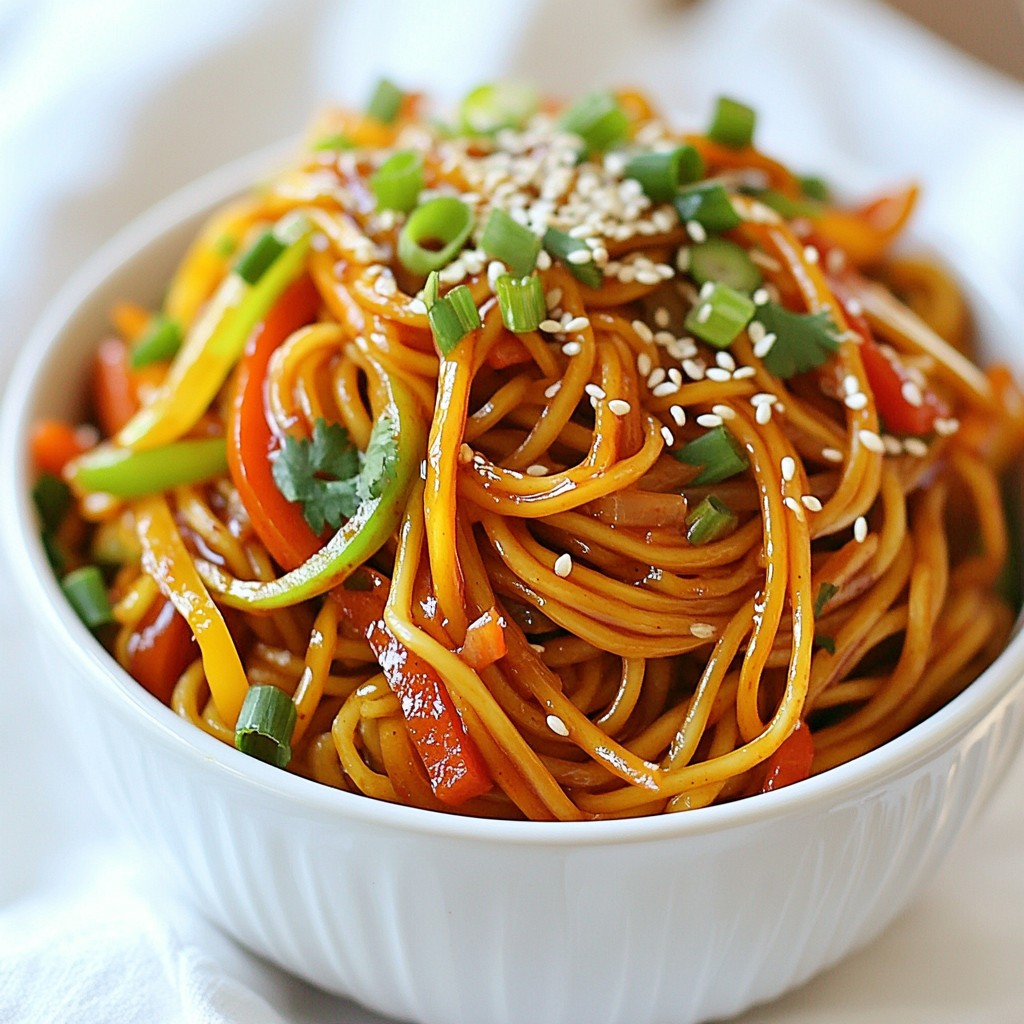
Are you ready to spice up your dinner table? Today, I'm sharing my easy and flavorful Spicy Korean Gochujang Noodles recipe! With a few simple ingredients, you can create a delicious dish that packs a punch. From the noodles to the vibrant veggies, every bite bursts with flavor. Join me in the kitchen and discover how fun and quick it is to whip up this delightful meal! Let’s get cooking!
Why I Love This Recipe
- Bold Flavors: The combination of gochujang and sesame oil creates a rich, spicy, and nutty flavor that elevates the noodles to new heights.
- Quick and Easy: This recipe can be prepared in just 20 minutes, making it perfect for a quick weeknight dinner.
- Customizable: You can easily swap in your favorite vegetables or protein, making this dish versatile and suitable for everyone.
- Healthy Ingredients: Packed with vegetables and using minimal oil, this dish is a healthy option without sacrificing flavor.
Ingredients
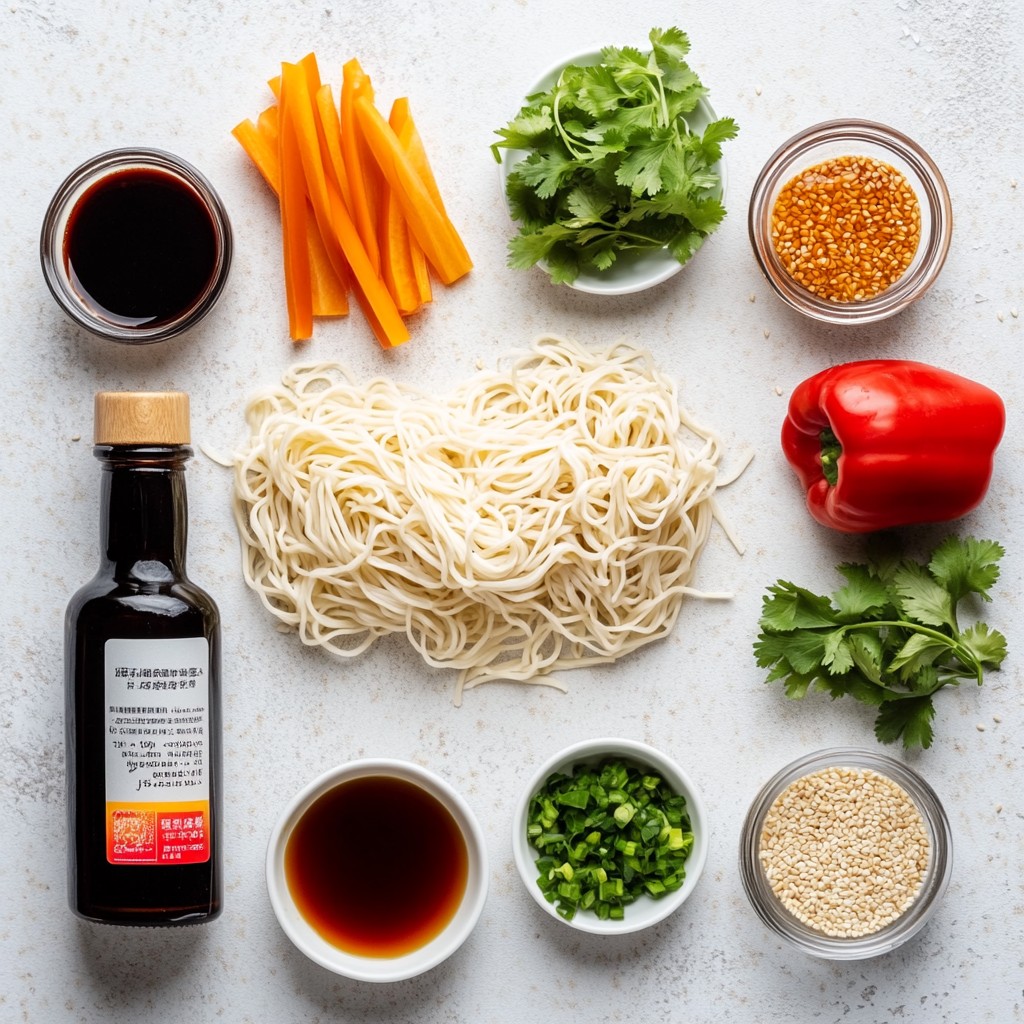
Main Ingredients
- Noodles: You can use udon, soba, or rice noodles. Udon is thick and chewy. Soba is thin and nutty. Rice noodles are light and soft. Choose what you like best.
- Gochujang: This is a spicy Korean chili paste. It gives the dish its deep flavor and heat. If you can't find gochujang, you can use red pepper flakes mixed with some miso. This mix gives a similar taste.
- Vegetables: I recommend bell peppers, carrots, and snow peas. They add color, crunch, and nutrients. Bell peppers are sweet and bright. Carrots add sweetness, while snow peas bring a fresh snap. You can mix and match based on what you have.
These ingredients come together to create a vibrant dish. The blend of flavors makes it exciting and delicious.
Step-by-Step Instructions
Cooking the Noodles
To start, fill a large pot with water. Bring it to a rolling boil over high heat. This step is key for cooking noodles. Once the water is boiling, add your noodles. Cook them according to the package instructions. You want them to be al dente, which means they should still have a slight bite. This usually takes around 6-8 minutes. When they are done, drain them in a colander and set them aside. Make sure not to rinse them, as this can wash away flavor.
Preparing the Sauce
In a medium bowl, mix together the gochujang, soy sauce, sesame oil, honey, and rice vinegar. Stir until everything is well blended. You can adjust the heat by adding more gochujang if you like it spicier. If you prefer a sweeter sauce, add a bit more honey or maple syrup. This sauce is what makes the dish truly special, so taste it as you go!
Sautéing the Vegetables
Heat a large pan over medium heat. Add a drizzle of sesame oil; this will add nice flavor. Once the oil is hot, toss in your mixed vegetables. Stir them for about 3-4 minutes. You want them to be tender but still crisp. This gives a nice texture to your dish. Keep an eye on them, so they don't overcook.
Combining Noodles and Sauce
Now it’s time to bring everything together. Add your cooked noodles to the pan with the sautéed vegetables. Pour the gochujang sauce over the top. Gently toss everything together until the noodles are evenly coated. Look for the noodles to have a nice, glossy finish from the sauce. This tells you they're ready to serve!
Garnishing and Serving
For a beautiful presentation, plate the noodles nicely. Sprinkle sesame seeds and fresh cilantro on top. These garnishes not only look good but add extra flavor. Before serving, taste the noodles and adjust the seasoning with salt and pepper if needed. Enjoy your delicious Spicy Korean Gochujang Noodles!
Tips & Tricks
Cooking Tips
- Best practices for cooking noodles: Start with a large pot of boiling water. This helps the noodles cook evenly. Follow the package instructions for timing. Check the noodles a minute before the suggested time. You want them firm but not hard.
- How to avoid sticky noodles: Drain the noodles right after cooking. Rinse them briefly under cold water. This helps remove excess starch and stops the cooking process. Toss the noodles with a bit of sesame oil. This keeps them separate and adds flavor.
Flavor Enhancements
- Additional ingredients for more complexity: You can add garlic or ginger to the sauce for extra depth. Try sesame seeds for added crunch. For a fresh twist, mix in lime juice or cilantro. These flavors pair well with the spice of gochujang.
- Suggestions for hot sauce or spices: If you like heat, add sriracha or chili flakes. They boost the spice level without overpowering the dish. For a milder option, try sweet chili sauce. It adds sweetness and balances the gochujang.
Meal Pairing Suggestions
- Best side dishes and beverages to complement: Serve with a light cucumber salad for a refreshing crunch. Edamame or pickled vegetables are great sides too. For drinks, try iced green tea or a light beer. These pair well with the spicy noodles and enhance the meal experience.
Pro Tips
- Choose Your Noodles: Depending on the texture you prefer, opt for udon for a chewy bite, soba for a nutty flavor, or rice noodles for a lighter dish.
- Adjust the Spice Level: If you like it spicier, increase the amount of gochujang or add some sliced fresh chilies to the vegetable mix.
- Fresh Vegetables: Use seasonal vegetables for the best flavor, and feel free to substitute with your favorites like broccoli or zucchini.
- Make it a Meal: Add protein such as tofu, chicken, or shrimp to make this dish more filling and nutritious.
Variations
Protein Additions
You can easily add protein to your spicy Korean gochujang noodles. Here are some great options:
- Chicken: Use boneless chicken thighs or breasts. Cook them in a pan for 6-7 minutes per side until golden brown. Slice them and toss with the noodles.
- Tofu: Choose firm or extra-firm tofu. Cut it into cubes and sauté for 5-6 minutes until crispy. Toss the tofu with the noodles for a satisfying bite.
- Shrimp: Use fresh or frozen shrimp. Cook them in the pan for about 3-4 minutes until they turn pink. Add them to the noodles for a seafood twist.
These protein additions make the dish more filling and flavorful.
Vegetarian/Vegan Adjustments
For those following a vegetarian or vegan diet, you can still enjoy this dish. Here’s how:
- Sauce Alternatives: Use tamari instead of soy sauce for a gluten-free option. For sweetness, substitute honey with maple syrup to keep it vegan.
- Vegetable Substitutions: Add your favorite vegetables. Broccoli, zucchini, or mushrooms all work well. They add color and nutrients.
These adjustments ensure everyone can enjoy this tasty meal.
Gluten-Free Alternatives
If you need a gluten-free version, you can easily modify the recipe:
- Noodle Substitutes: Try gluten-free rice noodles or quinoa noodles. They cook quickly and maintain great texture.
- Sauce Modifications: Make sure the soy sauce is gluten-free. Many brands offer gluten-free options that taste just as good.
These changes let you enjoy spicy Korean gochujang noodles without worry.
Storage Info
Storing Leftovers
To keep your spicy Korean gochujang noodles fresh, store them in an airtight container. Refrigerate them within two hours of cooking. They will stay good for about 3 to 4 days. If you want to store them longer, freeze the noodles and sauce separately. They can last up to 2 months in the freezer. Make sure to label the containers with the date for easy tracking.
Reheating Instructions
When it's time to enjoy leftovers, reheat the noodles gently. You can use a microwave or a stovetop. If using the microwave, heat in short bursts of 30 seconds, stirring in between. For stovetop, add a splash of water to a pan. Heat on low until warmed through. This helps maintain their texture. Avoid cooking them too long, as this can make the noodles mushy. Enjoy your delicious leftovers!
FAQs
What is gochujang and where can I buy it?
Gochujang is a Korean chili paste made from fermented soybeans, red chili powder, and salt. It has a thick texture and a sweet, spicy flavor. You can use gochujang in many dishes, from soups to marinades. You can find it in Asian grocery stores or online. Look for brands that use natural ingredients for the best taste.
Can I make Gochujang Noodles ahead of time?
Yes, you can make Gochujang Noodles ahead of time. Cook the noodles and veggies, then mix them with the sauce. Store the mix in the fridge for up to three days. When you want to eat, just reheat in a pan or microwave. Add a little water if it’s dry. This makes for a quick and tasty meal.
Are there low-carb options for this recipe?
Yes, you can easily make this recipe low-carb. Instead of regular noodles, use zucchini noodles or shirataki noodles. These options have fewer carbs and calories. For the sauce, you can reduce honey or use a sweetener like stevia. This keeps the flavor while cutting down on carbs. Enjoy your healthy twist on Gochujang Noodles!
We explored how to make delicious Gochujang Noodles from scratch. You learned about noodles, sauce, and vegetables. I shared cooking tips and offered ways to adapt the recipe for different diets. Meal pairings and storage options can help you enjoy leftovers. With these insights, you can create a dish that suits your taste and dietary needs. Cooking should be fun and rewarding. Dive in, experiment, and savor every bite!