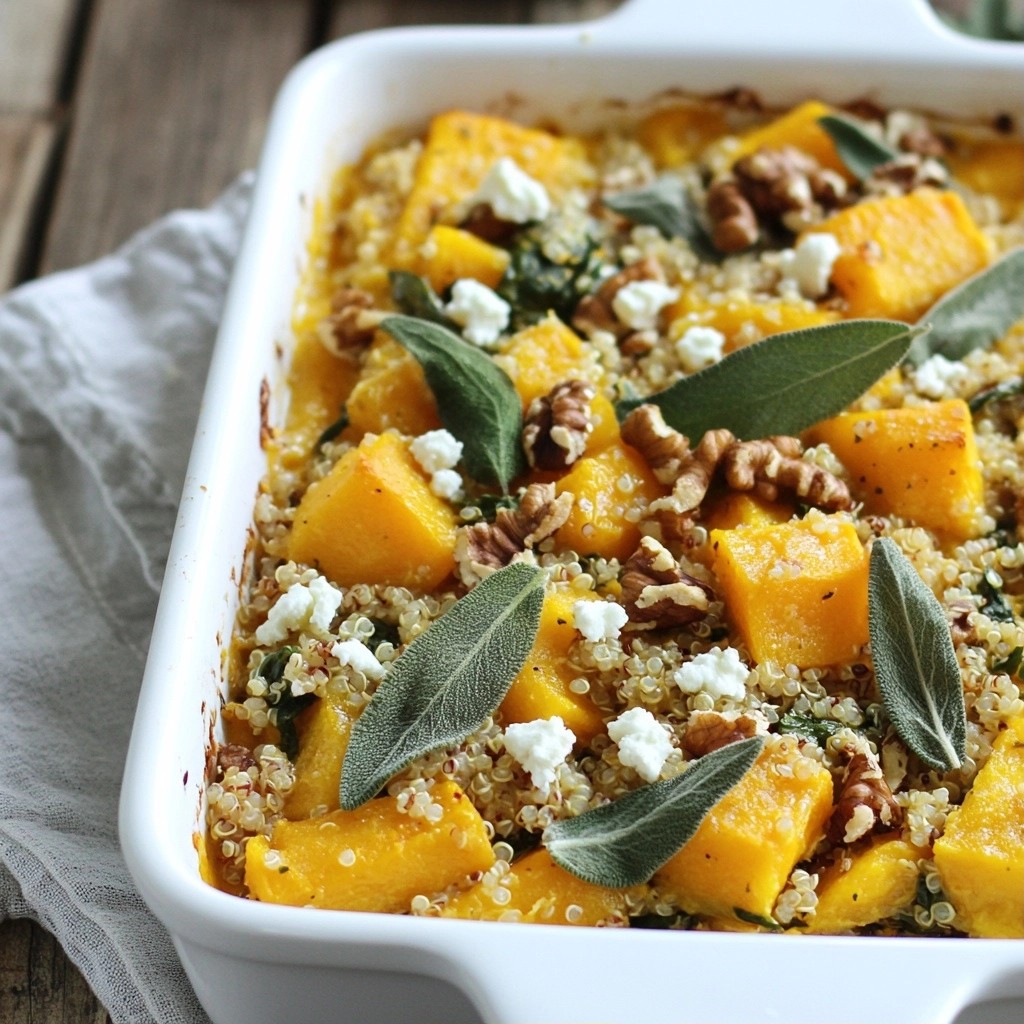
Get ready to impress your guests with my Festive Butternut Squash and Sage Casserole Delight! This warm, hearty dish bursts with flavor and is easy to make. With simple ingredients, you can create a stunning centerpiece for your holiday table. I’ll guide you through every step, from cooking tips to delicious variations. Let's dive in and make your festive feast truly special!
Why I Love This Recipe
- Festive Flavors: This casserole beautifully combines the sweetness of butternut squash with the earthy notes of sage, creating a dish that perfectly captures the essence of fall.
- Nutritious Ingredients: With quinoa, spinach, and walnuts, this recipe is not only delicious but packed with nutrients, making it a healthy choice for any gathering.
- Easy to Prepare: The straightforward steps make this casserole a breeze to whip up, allowing you to spend more time enjoying the festivities with your loved ones.
- Beautiful Presentation: With its vibrant colors and garnished with goat cheese and sage, this dish is sure to impress your guests and elevate your holiday table.
Ingredients
Essential Ingredients for Festive Butternut Squash and Sage Casserole
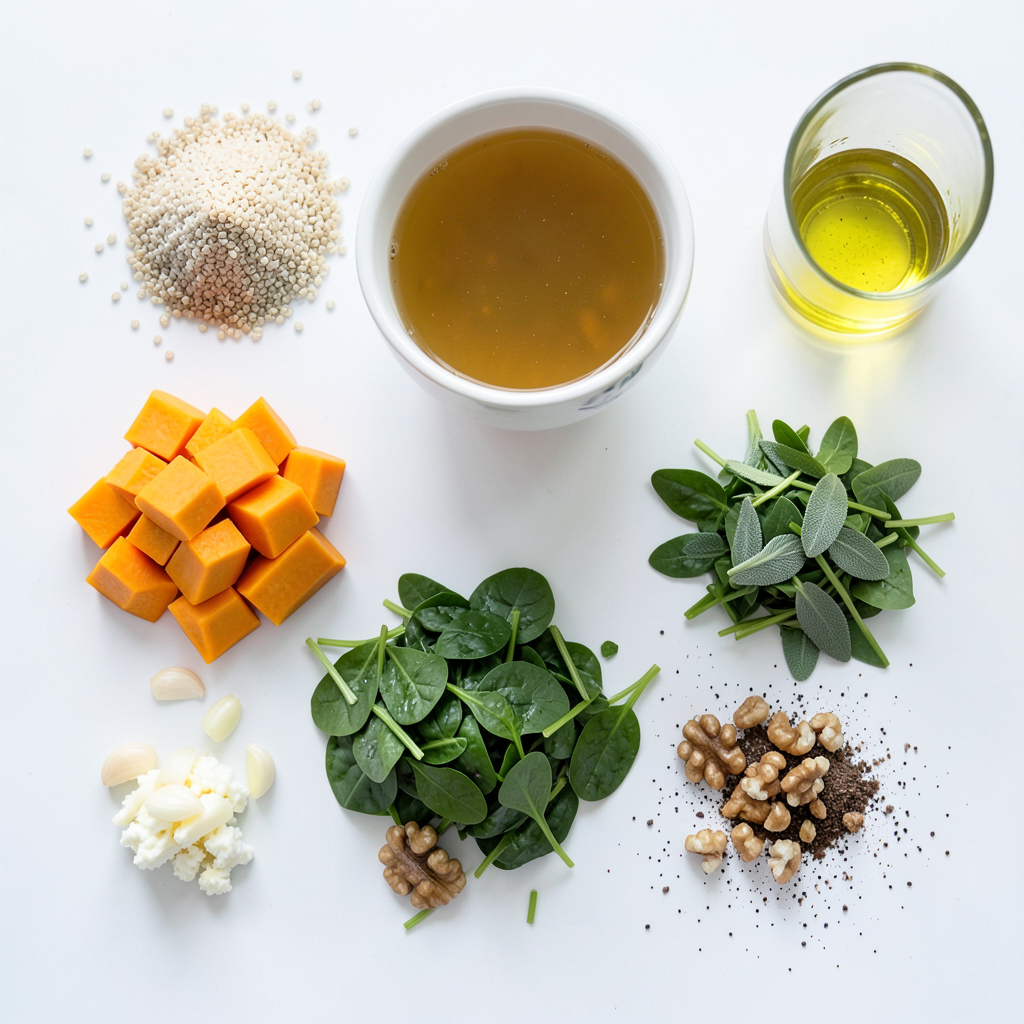
To make this casserole shine, you need these key ingredients:
- 1 medium butternut squash, peeled and diced
- 1 cup quinoa, rinsed
- 2 cups vegetable broth
- 1 small onion, finely chopped
- 3 cloves garlic, minced
- 1 cup fresh spinach, chopped
- 1/2 cup walnuts, chopped
- 1/2 cup goat cheese, crumbled
- 1 tablespoon fresh sage, chopped (or 1 teaspoon dried sage)
- 2 tablespoons olive oil
- Salt and pepper to taste
- 1/2 teaspoon nutmeg
Each ingredient adds unique flavor and texture to this dish. The butternut squash brings a sweet taste, while the sage gives a warm, earthy touch. Quinoa adds protein, making this dish hearty and filling.
Recommended Cooking Tools
You will need a few tools to make this dish easy:
- Medium saucepan
- Large skillet
- Casserole dish (9x13 inches)
- Wooden spoon or spatula
- Chef's knife
- Cutting board
These tools help you cook the ingredients properly and keep the process smooth.
Optional Garnishes for Enhanced Presentation
To make your casserole look festive, consider these garnishes:
- Extra crumbled goat cheese
- Fresh sage leaves
- A sprinkle of chopped walnuts
These garnishes not only enhance the look but also add extra flavor. They invite your guests to dig in and enjoy!
Step-by-Step Instructions
Preparation Steps for Quinoa and Vegetables
Start by preheating your oven to 375°F (190°C). This helps the casserole cook evenly later. Next, rinse 1 cup of quinoa under cold water. In a medium saucepan, combine the quinoa and 2 cups of vegetable broth. Bring it to a boil, then lower the heat. Cover the pot and let it simmer for about 15 minutes. The quinoa will be fluffy when it’s done.
While the quinoa cooks, heat 2 tablespoons of olive oil in a large skillet over medium heat. Add 1 small onion, finely chopped, and sauté for about 5 minutes until it turns soft. Then, add 3 cloves of minced garlic and 1 medium butternut squash, peeled and diced. Stir these together and cook for 10 minutes. The squash should be tender by now.
Add 1 cup of fresh spinach, 1 tablespoon of chopped fresh sage, salt, pepper, and 1/2 teaspoon of nutmeg to the skillet. Cook for about 2 minutes, just until the spinach wilts down.
Combining Ingredients for the Casserole
In a large bowl, combine the cooked quinoa with the sautéed squash and spinach mixture. Gently fold in 1/2 cup of chopped walnuts and 1/2 cup of crumbled goat cheese. This adds great flavor and texture to the dish.
Once mixed well, transfer everything to a greased 9x13 inch casserole dish. Spread the mixture evenly across the dish.
Baking and Serving Instructions
Now it’s time to bake! Place the casserole in your preheated oven and bake for 20-25 minutes. You want it heated through, and the top should be slightly golden.
After baking, remove the casserole from the oven. Let it cool for a few minutes before serving. This dish is great served straight from the oven. For a festive touch, sprinkle extra crumbled goat cheese and fresh sage leaves on top before serving. Enjoy your delicious creation!
Tips & Tricks
Perfect Cooking Techniques for Butternut Squash
To cook butternut squash just right, start by peeling and dicing it into uniform cubes. This helps it cook evenly. I recommend sautéing it with onion and garlic in olive oil. This method adds a nice flavor. Cook until the squash is soft, about ten minutes. If you want a sweeter taste, you can roast the cubes instead. Roasting brings out their natural sugars.
How to Achieve the Best Quinoa Texture
For the best quinoa texture, rinse it under cold water first. This step removes the bitter coating. Then, cook it in vegetable broth for added flavor. Bring the broth to a boil, then reduce the heat and cover. Let it simmer for about fifteen minutes. When done, fluff it with a fork. This makes it light and fluffy.
Flavor Enhancements and Seasoning Suggestions
To boost flavor, I suggest adding nutmeg and fresh sage. These herbs pair well with squash. You can also mix in chopped walnuts for crunch. Crumbled goat cheese adds creaminess. For more zest, try a splash of lemon juice. Season with salt and pepper to taste. These small tweaks make a big difference in taste.
Pro Tips
- Choose the Right Squash: Opt for a medium-sized butternut squash for the best balance of sweetness and texture. Smaller squashes may be too fibrous, while larger ones can be too watery.
- Enhance Flavor with Toasted Walnuts: For added depth, toast the walnuts in a dry skillet for a few minutes before adding them to the casserole. This will bring out their natural oils and enhance their flavor.
- Add a Crunchy Topping: For extra texture, consider topping the casserole with panko breadcrumbs mixed with a bit of olive oil and herbs before baking. This will create a delightful crispy layer.
- Make it Ahead: This casserole can be assembled a day in advance. Just cover and refrigerate it, then bake it right before serving for a hassle-free meal.
Variations
Alternative Ingredients for Different Diets
You can easily swap some ingredients in this casserole. For a nut-free version, skip the walnuts. Instead, try pumpkin seeds for crunch. If you want a dairy-free option, use a plant-based cheese. This keeps the creamy texture without the dairy.
Seasonal Additions to Elevate the Dish
Feel free to add seasonal veggies for more flavor. In fall, roasted brussels sprouts work well. In winter, try kale or fresh herbs like thyme. These additions enhance taste and make the dish even more festive.
Gluten-Free or Vegan Substitutes
If you need a gluten-free option, quinoa is perfect. You can also use brown rice or millet. For a vegan casserole, simply omit the goat cheese. Use a vegan cheese or add more nuts for creaminess. These changes keep the dish delicious and friendly for various diets.
Storage Info
How to Store Leftovers Properly
To keep your festive butternut squash and sage casserole fresh, let it cool first. Use an airtight container. This will help keep moisture out. Store it in the fridge for up to three days. If you have a large amount, divide it into smaller portions. This makes it easier to reheat later.
Reheating Tips for Best Results
For the best taste, reheat your casserole in the oven. Preheat it to 350°F (175°C). Place the casserole in an oven-safe dish. Cover it with foil to keep it moist. Heat for about 15-20 minutes. You can also microwave individual portions for quick meals. Just cover them with a damp paper towel to retain moisture.
Freezing Instructions and Tips
You can freeze this casserole to enjoy later. First, let it cool completely. Then, wrap it tightly in plastic wrap and foil. This will help prevent freezer burn. Label it with the date and store it in the freezer for up to three months. To thaw, move it to the fridge overnight before reheating.
FAQs
Can I use frozen butternut squash?
Yes, you can use frozen butternut squash. Just thaw and drain it first. Frozen squash may cook faster, so keep an eye on it. Adjust your cooking time to ensure it remains tender and flavorful.
What can I substitute for goat cheese?
If you want a substitute for goat cheese, consider using feta cheese. It has a similar tangy flavor and creamy texture. For a dairy-free option, try almond or cashew cheese. These will still give you that creamy touch.
How long can I keep the casserole in the fridge?
You can keep the casserole in the fridge for about three to four days. Make sure to store it in an airtight container. This helps maintain the flavors and texture for your next meal!
Can I prepare the casserole in advance?
Yes, you can prepare the casserole in advance. Assemble it and store it in the fridge for up to a day. When you are ready to bake, let it sit at room temp for about 30 minutes. This helps it cook evenly.
This article covers how to make a tasty butternut squash and sage casserole. We explored key ingredients and tools needed. You learned step-by-step instructions to prepare this dish. With tips for better cooking techniques, variations for different diets, and storage info, you can create the perfect casserole. Make it your own with garnishes and flavor tweaks. Remember, cooking is about fun and creativity, so enjoy every bite!